

GU Physics at the 2026 APS Global Physics Summit
March 27th, 2026
More than 25 members of the GU Physics community participated in the 2026 Global Physics Summit, held in Denver, CO.…
GU Physics at the 2026 APS Global Physics Summit
March 27th, 2026
More than 25 members of the GU Physics community participated in the 2026 Global Physics Summit, held in Denver, CO.…
Professor Mark Esrick
March 25th, 2026
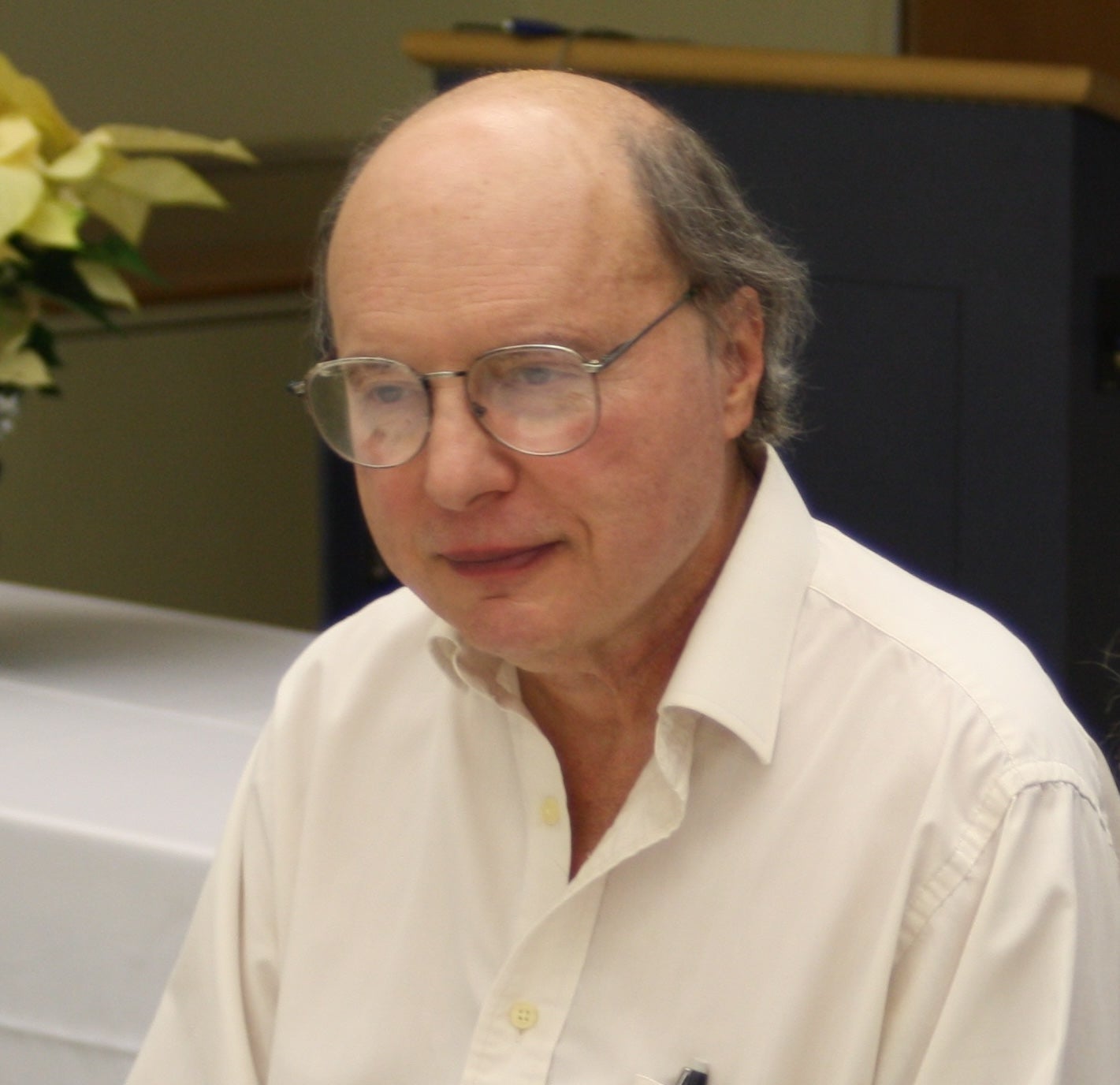
Our dear colleague Professor Mark Esrick passed away on March 16, 2026.…
If you want to simulate a quantum experiment, why not use a quantum computer?
February 26th, 2026
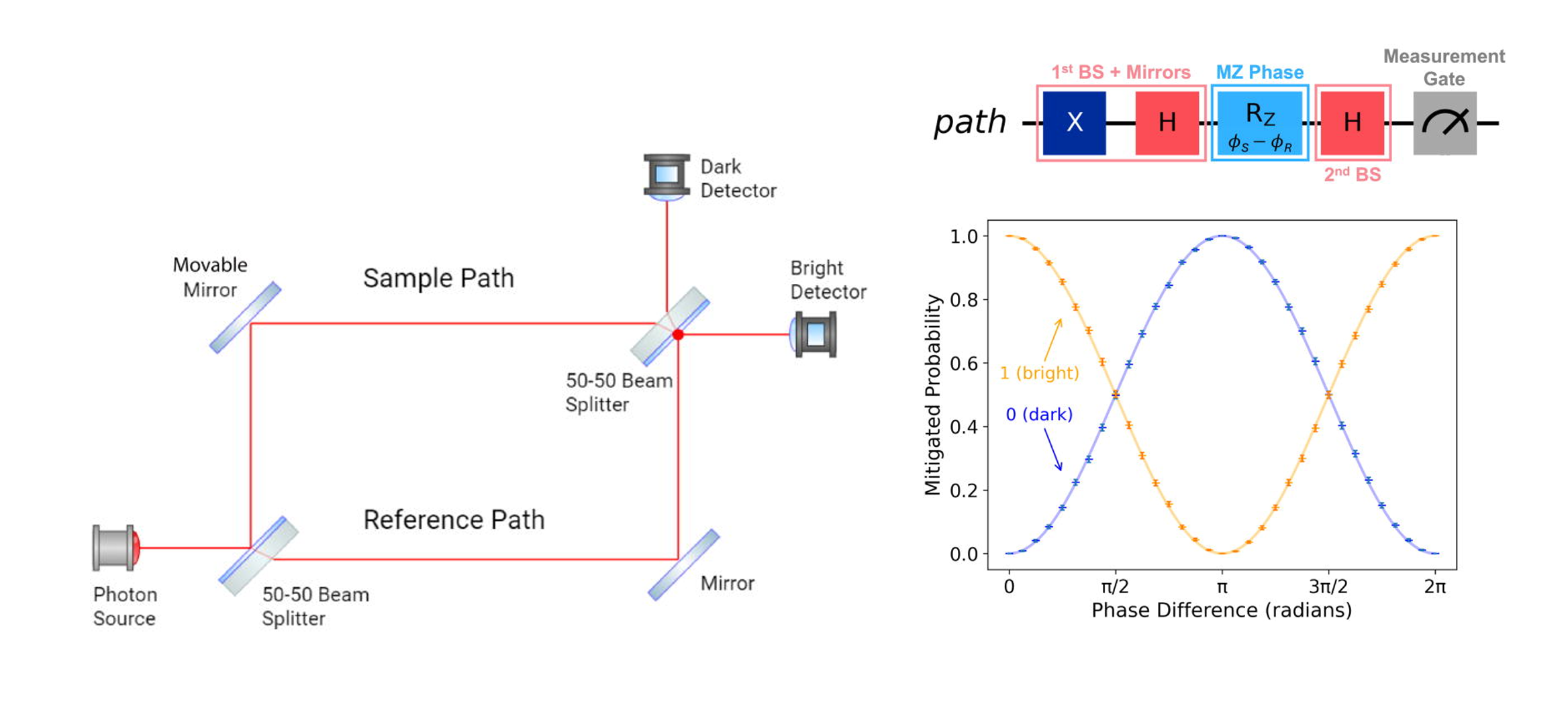
Prof. Jim Freericks’ research group has published a paper that shows how to use quantum computers to simulate single-photon experiments in Mach-Zehnder interferometers.…

Physics alumni named to Forbes 30 Under 30
February 25th, 2026
Congratulations to John Andrzejewski (C’25), Eli Kerstein (C’24), and Lucas Raskin on making the 2026 Forbes 30 Under 30 List! …

Darrian Mills named 2025-26 ARCS Scholar
February 12th, 2026
Graduate student Darrian Mills has been named an ARCS Scholar for 2025-26. …

Jason Tran elected to Executive Committee of GPER
February 7th, 2026
Graduate student Jason Tran has been elected to the Executive Committee of the APS Topical Group on Physics Education Research.…

Applying physics to national security on Capitol Hill
January 30th, 2026
GU physics alum Ryan Nesselrodt reflects on his experience as the 2024-25 APS Congressional Science Fellow. …

Destiny Agubata, Georgetown Physics major and member of the women’s basketball team, was recently named to the Big East Weekly Honor Roll
January 12th, 2026
Destiny Agubata, Georgetown Physics major was recently named to the Big East Weekly Honor Roll.…
Sustainable Alternatives for Next-Generation Magnetic Technologies
January 5th, 2026
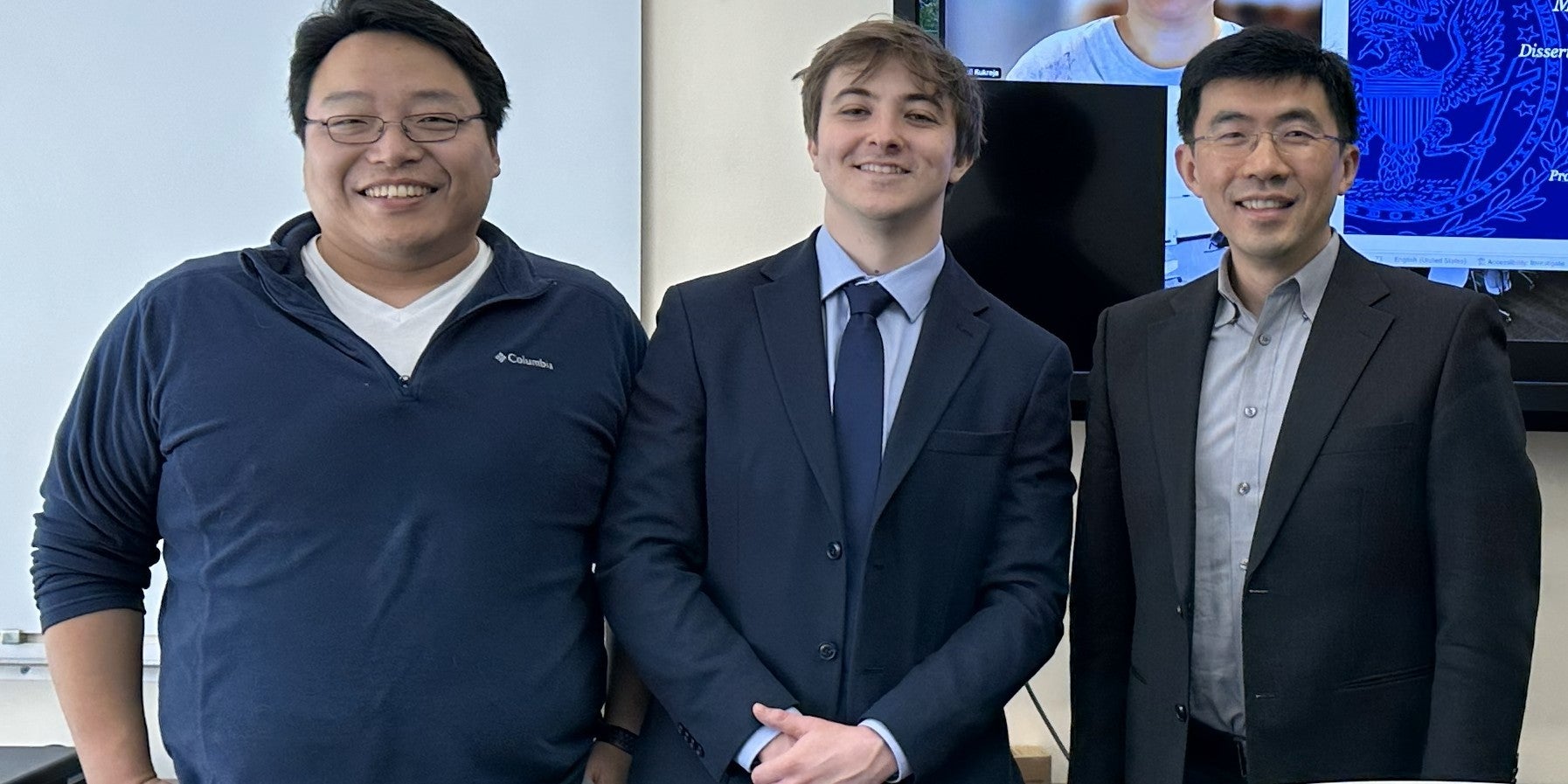
Led by graduate student Willie Beeson, Professors Kai Liu and Gen Yin’s team in the Physics Department at Georgetown University have discovered a new class of strong magnets based on high entropy borides using earth-abundant transition metals and boron. These materials offer a compelling new strategy for sustainable magnet design without using rare-earths or precious metals. Their results are just published in the journal Advanced Materials.…
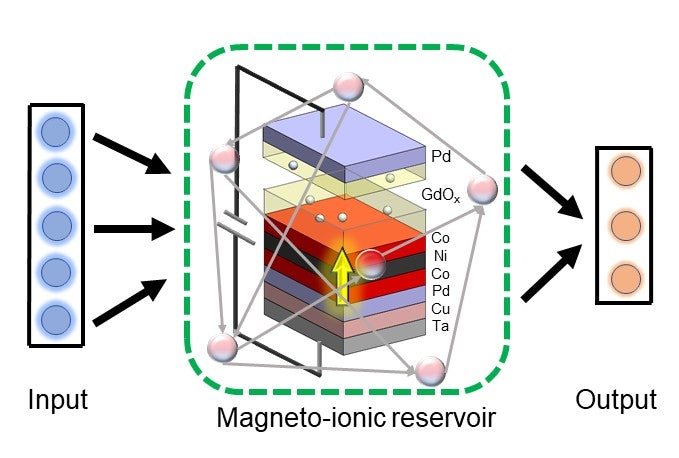
Magneto-Ionic Physical Reservoir Computing
January 5th, 2026
Recent progress in magneto-ionics offers exciting potential to leverage its energy efficiency for implementing physical reservoir computing (PRC). Led by postdoctoral fellow Dhritiman Bhattacharya, Prof. Kai Liu’s group have experimentally demonstrated the classification of temporal data using a perpendicularly magnetized magneto-ionic (MI) heterostructure. Their results are recently published in Nano Letters, in collaboration with Prof. Jayasimha Atulasimha’s group at the Virginial Commonwealth University.…